Earwax is something everyone has, yet many people feel confused or worried about it. Some think earwax is dirty, while others try hard to remove it often. In reality, earwax is natural and very important for keeping ears healthy. This article explains earwax in very simple words so anyone can understand it easily.
What Is Earwax And Why Exists
Earwax is a natural substance made inside the ear canal. Its medical name is cerumen. The body produces earwax to protect the ears from Earwax , dirt, bacteria, and small insects. Earwax also keeps the skin inside the ear moist and prevents dryness and itching.
Earwax slowly moves from the inside of the ear to the outside. This natural movement helps clean the ear on its own. In most cases, ears do not need extra cleaning.
Different Types Of Earwax
There are two main types of earwax, and both are normal.
Wet earwax is usually yellow or brown and feels sticky. Dry earwax is lighter in color, gray or light brown, and feels flaky. The type of earwax a person has is often genetic and not a health problem.
Both types protect the ear equally well.
Benefits Of Earwax For Ears
Earwax plays an important role in ear health.
It traps dust and dirt before they reach the eardrum.
It stops bacteria and fungi from growing inside the ear.
It keeps the ear canal soft and prevents cracking.
It helps reduce irritation and itching.
Without earwax, ears would be more likely to get infections and feel uncomfortable.
Common Myths About Earwax
Many people believe earwax is bad, but that is not true.
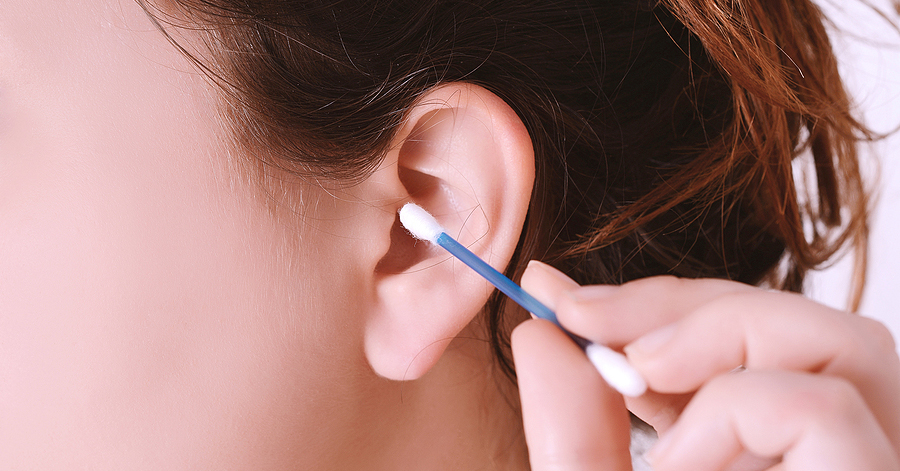
One common myth is that clean ears should have no earwax. In fact, a small amount of earwax is healthy. Another myth is that cotton buds are safe for cleaning ears. Cotton buds often push earwax deeper and can cause blockage.
Some people also think earwax always causes hearing loss. Only too much earwax causes problems, not normal amounts.
What Causes Earwax Buildup
Sometimes earwax builds up and becomes hard. This can happen for several reasons.
Using cotton buds or sharp objects
Wearing earphones or hearing aids often
Narrow ear canals
Producing more earwax naturally
Aging, which makes earwax drier
When earwax cannot move out naturally, it may block the ear canal.
Signs Of Too Much Earwax
Earwax buildup can cause noticeable symptoms.
Ear pain or discomfort
Feeling of fullness in the ear
Reduced hearing
Ringing sound in the ear
Dizziness in some cases
If these symptoms appear, earwax buildup could be the reason.
Safe Ways To Remove Earwax
In many cases, earwax does not need to be removed. If removal is needed, it should be done safely.
Using ear drops recommended by a doctor
Letting warm water gently rinse the ear
Visiting a healthcare professional
Never use sharp objects, hairpins, or cotton buds inside the ear. These can cause injury and push wax deeper.
When To See A Doctor
A doctor should be seen if earwax causes pain, hearing loss, or repeated infections. Also, people with diabetes, ear surgery history, or ear tubes should not try to remove earwax on their own.
Professional cleaning is safe and quick when done correctly.
Earwax And Children Health
Children also produce earwax, and it is just as normal. Parents should avoid cleaning inside a child’s ear. Only the outer ear should be wiped gently with a cloth.
If a child complains of ear pain or hearing problems, a doctor should check the ear.
How To Keep Ears Healthy Naturally
Healthy ear care is simple.
Avoid putting objects in ears
Let ears clean themselves
Protect ears from loud noise
Dry ears gently after bathing
Following these steps helps prevent earwax problems and keeps ears healthy.
Final Thoughts About Earwax
Earwax is not something to fear or remove often. It is a natural protector that keeps ears clean and safe. Problems only happen when earwax builds up too much or is removed the wrong way. Understanding earwax helps people take better care of their ears and avoid unnecessary harm.